
Plantar fasciitis is an inflammation and pain in the plantar fascia—the thick band of tissue that connects the heel bone to the toes. Symptoms in some cases can involve severe and stabbing pains that interfere with and interrupt ordinary activity.
Among the more conservative treatments that exist for plantar fasciitis are physical therapy, special shoe inserts, and steroid injections, but when these are ineffective, surgery is often indicated.
If you have pain due to plantar fasciitis, Dr. Mehta will perform a physical examination, review x-ray and/or MRI imaging, and discuss with you your surgical and non-surgical treatment options to reduce pain and deformity. Dr. Mehta is a highly reviewed Plantar Fasciitis specialist in NYC.
What causes plantar fasciitis?
Plantar fasciitis can result from repetitive strain associated with walking, running, jumping, prolonged standing, or unsupportive footwear. Body weight and activity demands can also increase stress on the plantar fascia.
How is plantar fasciitis treated?
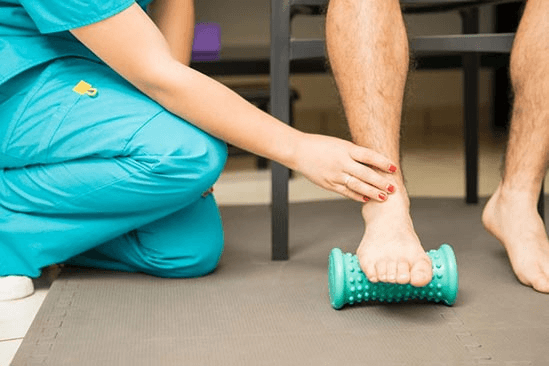
Mild cases may improve with time. Rest, ice, nonsteroidal anti-inflammatory medications, foot and calf stretching, and supportive shoe inserts can help reduce pain. Surgery is generally considered only for persistent symptoms that have not improved with conservative treatment.
Conservative treatments for plantar fasciitis
- Physical therapy
- Corticosteroid injection
- Stretching exercises of calves and feet
- Nonsteroidal anti-inflammatory meds (NSAIDs)
Minimally invasive non-surgical treatment
- Tenex procedure: a minimally invasive, non-surgical treatment that uses high-frequency vibrations and a specialized tool to remove damaged tissue from the plantar fascia.
Am I a candidate for plantar fasciitis surgery?
Candidacy is determined during a personal consultation. Surgery may be considered if you:
- Experience heel or foot pain that affects your ability to work
- Have had plantar fasciitis symptoms for more than six months
- Continue to have pain despite conservative treatment
- Cannot perform routine physical activities without significant pain
During a consultation, your surgeon will help determine whether surgery is appropriate and whether other methods should be tried first.
What happens during plantar fasciitis surgery?
When conservative and non-surgical treatments fail, your surgeon may recommend one of several procedures based on your symptoms and anatomy.
- Open surgery: a regional block and IV sedation are administered, and a one- to two-inch incision is made to access the plantar fascia.
- Endoscopic surgery: two smaller incisions allow a camera and surgical instrument to guide the plantar fascia release.
- Plantar fascia release: small cuts are made in a portion of the fascia fibers to reduce tension. A minimally invasive approach may offer a smaller scar and a shorter recovery.
Plantar fasciitis surgery recovery
Plantar fasciitis surgery is an outpatient procedure, which means it can be done at our office and you can return home shortly after it and are not required to spend the night in a hospital or recovery center. You should expect moderate pain and discomfort for 24 to 48 hours after surgery.
This pain is easily managed with pain medication. Depending on whether you had open or endoscopic surgery to treat your plantar fasciitis, additional recovery gear will be provided.
Most patients will be walking again within a few to several days after surgery, with full recovery usually accomplished in 3 to 6 weeks for endoscopic surgery, and 6 to 10 weeks for open surgery.
Dr. Mehta, our expert plantar fasciitis specialist in NYC, will evaluate your foot and will provide you with a definitive diagnosis and treatment options.