
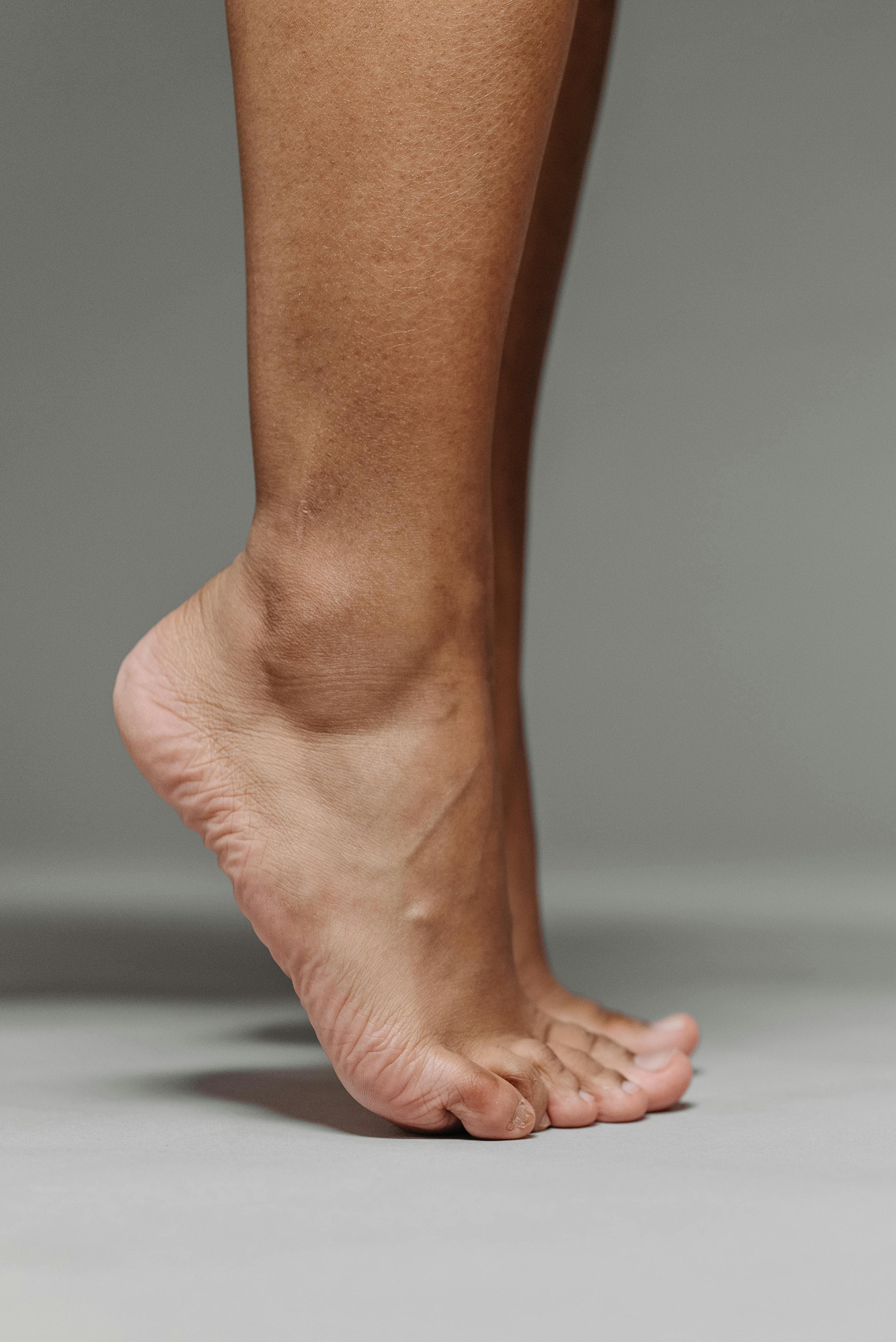
Achilles tendon injury is possible when there is pain above your heel, especially when you stretch your ankle or stand on your toes.
The foot and ankle team at Downtown Podiatry Physicians will obtain x-rays or MRI when appropriate, perform a thorough examination, and review options to reduce pain and restore function. Your care team will also discuss recovery time, return to work, and activity.
What is Achilles tendinitis?
The Achilles tendon connects the calf muscle to the heel bone. Tendinitis occurs when the tendon becomes inflamed and painful. It is common in runners and active adults, and the area is often tender to the touch. If conservative treatments fail, imaging may be needed to rule out a tear.
What is an Achilles tendon tear or rupture?
An Achilles tendon tear often presents with a sudden popping sensation followed by pain in the back of the ankle. A rupture can be partial or complete and will usually affect the ability to walk normally.
What causes an Achilles rupture?
The Achilles tendon has an area with limited blood flow, which can make it vulnerable to injury and slower healing. High-intensity sports or a fall can precipitate a rupture. Risk can also rise with age, obesity, certain antibiotics, or a previous steroid injection into the tendon.
Symptoms of an Achilles rupture
- Severe pain in the calf
- Pain and swelling in the heel
- Unable to push off or bend down the injured foot
- Unable to stand on toes on an injured foot
- A popping sensation when the injury happens
Our foot and ankle team will evaluate your injury and provide a diagnosis and personalized treatment plan.
Surgical repair of the Achilles tendon
An incision is made in the back of the calf. If there is a rupture, your surgeon will stitch the tendon together. If a tendon is too degenerated, the surgeon may remove that portion and then repair the rest.
In some cases, the damaged part may be replaced with another tendon from your foot or a synthetic graft. Minimally invasive approaches are available for some patients; your surgeon can explain whether you are a candidate.
Frequently asked questions
- Can stretching help prevent an Achilles injury? Calf stretching and strengthening before activity can help reduce injury risk. Alternating high-impact and low-impact activities may also help.
- Is Achilles surgery covered by insurance? Coverage varies by plan. Our team can help you verify your benefits before treatment.
- What are the risks of Achilles repair surgery? Possible risks include pain, infection, delayed wound healing, recurrent injury, nerve injury, bleeding, blood clots, anesthesia complications, and calf weakness. Your surgeon will review the risks and benefits with you.