
Bunion specialists at Downtown Podiatry Physicians
If you have foot pain or have noticed a change in the shape of your foot, a bunion may be forming. Bunions are common and can be treated in several ways. Our specialists will evaluate your symptoms and help you choose a treatment plan that fits your needs.
What are bunions?
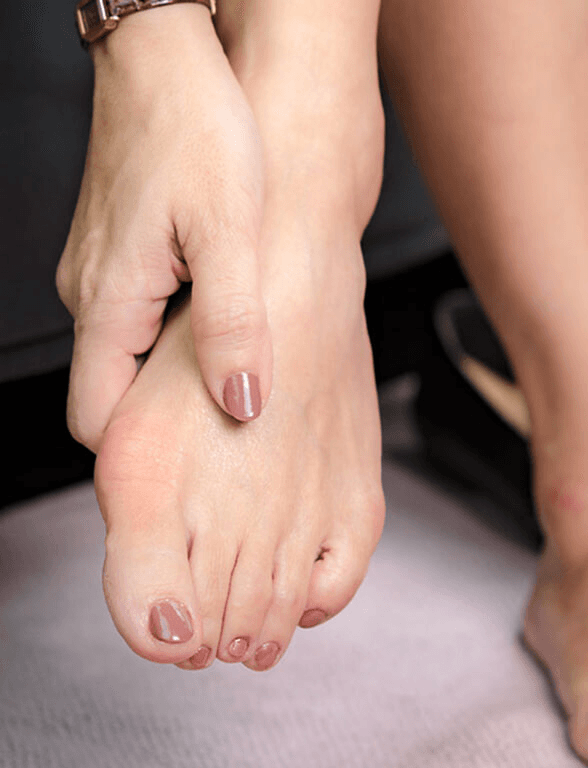
A bunion is a bony bump that forms at the base of the big toe at the metatarsophalangeal (MTP) joint. It is also called hallux valgus. A smaller bump on the outside of the foot, where the little toe meets the foot, is called a bunionette or tailor’s bunion.
Bunion symptoms
Most people begin to notice some changes in the shape of their foot as the first signs of bunions. There appears to be a bulge at the “knuckle” on the big toe and the top of the big toe migrates toward the smaller toes.
In severe cases, the shifting of the big toe is quite pronounced, and it can even overlap (or underlap) other toes. It’s not uncommon for the individual to see redness where the bunion is located and to feel some bunion pain as well.
But it should be noted that not everyone feels bunion pain, especially in the very early stages. These bunion symptoms are individual in nature, which is why it’s important to seek medical attention to determine the severity of your bunions and bunionettes.
Common bunion symptoms

- Bulging bump on the base of your big toe
- Swelling at the base of the big toe
- Redness to the skin in that region
- Soreness or a warm feeling at the MTP joint
- Corns and calluses where the bulge is or where the first and second toes rub together
- Ongoing foot pain
- Pain in the feet that comes and goes
- Loss of mobility or limitations of the big toe
- Big toe begins overlapping (or underlapping) other toes
- Changes in gait
Bunionette symptoms are similar but occur on the outside of the foot and mainly involve the little toe.
What causes bunions?
Several factors can contribute to bunion development, and more than one may be involved. Genetics can influence foot shape and the likelihood of developing bunions.
Bunion risk factors
If you’ve been told your shoes will cause bunions, then you might be surprised that we left them off the list above. This is an area of debate and controversy, so we’ll consider them a risk factor.
But if you look at images of women who have severe bunions and who often wear pointed-toe, high-heel shoes, you can see that their feet have developed a shape that is very similar to that of their shoes. Of course, there are other bunion risk factors as well.
If you have or do any of the following, you might be putting yourself at greater risk of developing bunions in the future.
- Wearing high heels and/or shoes with pointed toes
- Wearing shoes that are too tight, too narrow in the toe box, or too short
- Having rheumatoid arthritis
- Autoimmune disorders that attack your joints specifically
- Heredity can make you predisposed to developing bunions
- Being overweight can put more stress and pressure on your feet
- Fallen arches can lead to improper alignment and joint strain
- Occupations that have you standing for long periods of time (or all day) put you at greater risk of developing bunions
- Ballet dancing, especially dancing on pointe, puts great strain on your feet and toe joints
Bunion prevention
If you know that you’re predisposed to getting bunions because your parents have them, you have some joint issues, or you fall into one or more of the risk categories, then bunion prevention should cross your mind.
While our podiatrists are very good at handling bunions and can help you feel better, we’d love to see you promote healthy feet naturally. You’ll even find that we do suggest some of these prevention methods to our patients when we see them in the early stages of bunion development.
It’s a situation where a little prevention goes a long way toward keeping your feet healthy and avoiding pain.
Ways to slow bunion progression
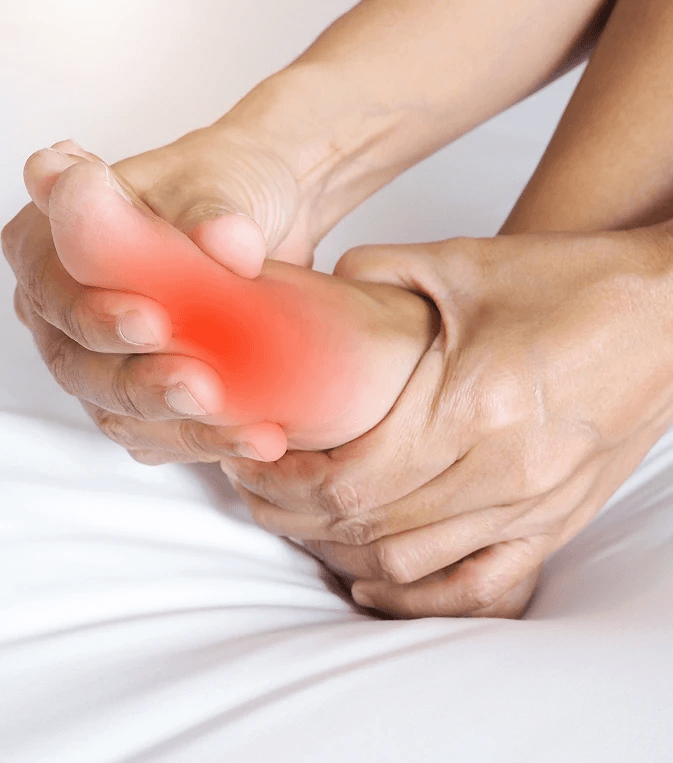
- Proper shoe choices that include low heels and a wider toe box
- Try on shoes late in the day because your feet are usually swollen and more tired so you get a better gauge on what will be comfortable
- Shoe inserts can help give your foot support and proper alignment
- Take breaks if you must stand for long periods of time
- Try sitting, if there is a way to do this, while you do your job – at least part of the time
- Lose weight
- Stay on top of any arthritic conditions and see a doctor to get appropriate treatment in the early stages
Bunion complications
Bunions at first can seem like a slight concern or something that’s no big deal. Unfortunately, bunions get worse over time. This means that visiting our office and seeing one of our foot doctors early on will lead to a better prognosis.
Early treatment can help you avoid the following bunion complications that can develop if your condition is left untreated.
- Bursitis or irritation of the bursa and subsequent pain
- Lack of toe mobility which makes walking normally difficult or impossible
- Arthritis of the big toe
- Hammertoe, or a bend in the middle joint of your second toe
- Metatarsalgia which is swelling and pain in the ball of your foot
- Damage to other toes due to overlapping and pressure
Bunion treatment
There are many different treatment options for people suffering from bunions, from conservative options to surgical bunion repair. Typically, if caught early enough, conservative treatments will suffice for a while.
But there is no reason to fear bunion surgery as it is a very common procedure, our doctors are incredibly skilled, and the results can give you a lifetime of pain relief.
Bunion surgery options in New York City
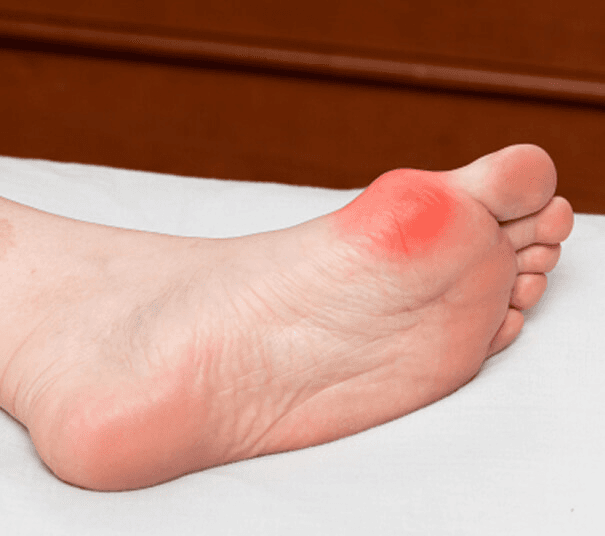
If your bunions don’t respond well to conservative treatment or they’re more advanced, then bunion surgery will be the next step.
This is a wonderful solution for people who constantly experience pain and inflammation, have significant movement of their big toe over the smaller ones, or people who have lost mobility in their big toe.
Outpatient bunion surgery options
Most of these procedures can be handled on an outpatient basis. We do consider each patient on an individual basis, so there may be some additional considerations for your case.
Cheilectomy or bunionectomy
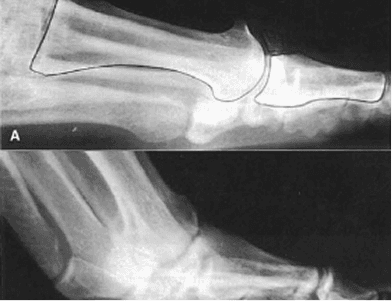
A cheilectomy is sometimes referred to as a bunionectomy, and it’s the surgical removal of the bony lump or the bunion. Each situation is different as are recovery periods, but best results after surgery in our office will lead to greater mobility and a significant improvement in your pain symptoms.
Lapiplasty bunion surgery
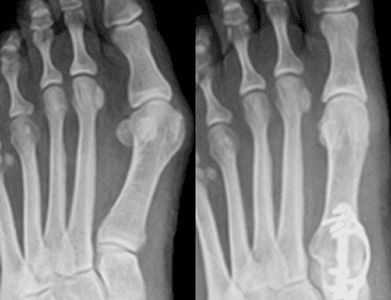
Lapiplasty corrects the bunion in three dimensions and stabilizes the joint that contributes to the deformity.
Arthrodesis for bunions
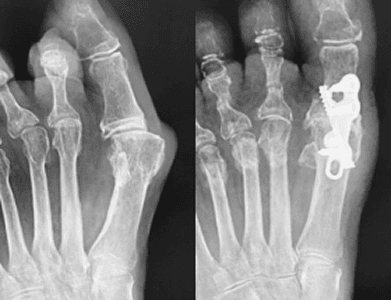
Arthrodesis fuses an affected joint to improve alignment and reduce painful motion in selected cases.
Osteotomy surgery for bunions
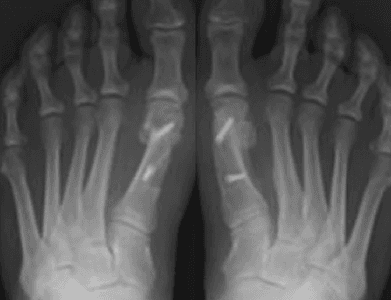
An osteotomy cuts and repositions bone to correct alignment at the big-toe joint.
Exostectomy bunion surgery
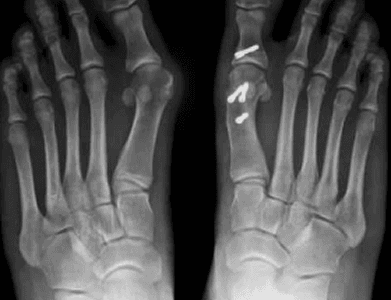
An exostectomy removes the prominent bony bump and may be combined with another procedure to address alignment.
Bunion resection arthroplasty
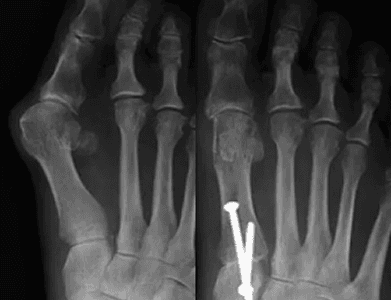
Resection arthroplasty removes part of the affected joint and is reserved for specific patients and deformities.
What to expect with bunion surgery
Rest assured, you are in experienced hands when you trust Downtown Podiatry Physicians for your bunion surgery. Our foot and ankle surgical team combines advanced techniques with individualized treatment planning to help patients pursue safe, durable outcomes.
- Customized treatment plan. Your doctor will review the procedure, lifestyle, activity level, overall health, and expected results with you before surgery.
- Before surgery. Follow your care team’s instructions about eating, drinking, medications, clothing, and transportation home.
- On surgery day. You will arrive before the procedure to complete preparation and review the plan with your surgical team.
- Anesthesia. Your surgeon will explain the local anesthesia and sedation planned for your procedure.
- Protection. A boot or assistive device may be provided to protect your foot while it heals.
- Driving. Arrange a ride home and ask your doctor when it will be safe to drive again.
- Follow-up appointments. Your team will monitor healing and may provide dressing changes, x-rays, motion exercises, medication, splinting, or a toe spacer.
Our foot and ankle surgical team
The Downtown Podiatry Physicians team includes board-certified and board-qualified foot and ankle specialists with training in surgical and non-surgical bunion care.
During your consultation, our team will evaluate the deformity, review imaging when appropriate, and explain the treatment options that best fit your symptoms, activity level, and recovery goals.
Our podiatric facility
While our doctors are key to the success of our facility and the health of our patients, having a well-appointed and modern facility is also a very important factor.
Not only does it make the experience more comfortable for our patients but also supplies our doctors with the best treatment tools possible.
Our state-of-the-art podiatric facilities are in Brooklyn, Manhattan, and Jersey City and conveniently located for residents in Downtown Brooklyn, Lower, Midtown and Upper East Side Manhattan, the East Village, Greenwich Village, Murray Hill, and Hudson County.
Our quality of care is considered among the finest in the country, and with the technology and expertise to back it up, our patients find the relief they are seeking. Connect with our offices today to take the first step toward foot pain relief.